
Photography · Painting · Sculpture
Munich-based Italian artist working across photography, painting, sculpture, and digital media. His practice centres on the transformation of the photographic image — treating photography as raw material subjected to digital manipulation and formal intervention.

Sign-up for my newsletter
About the work
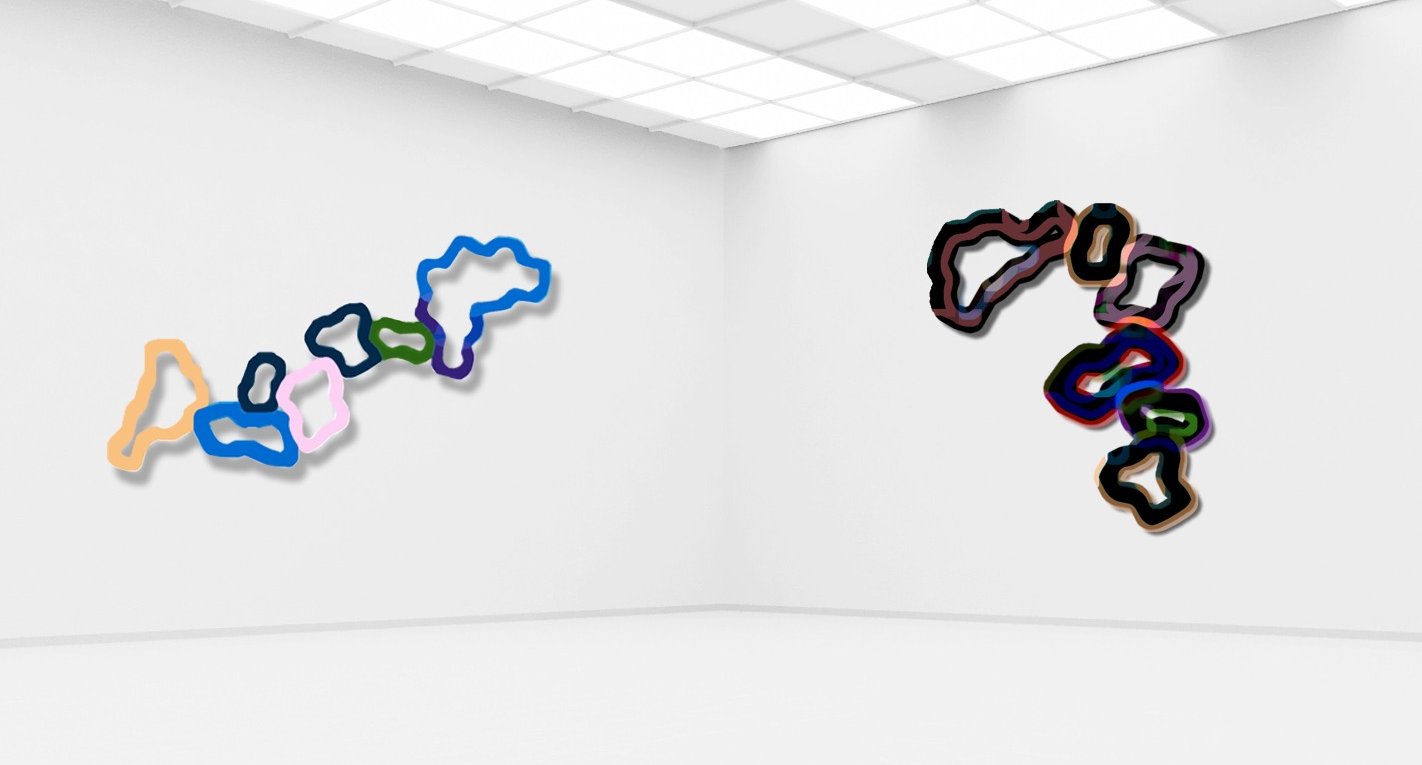
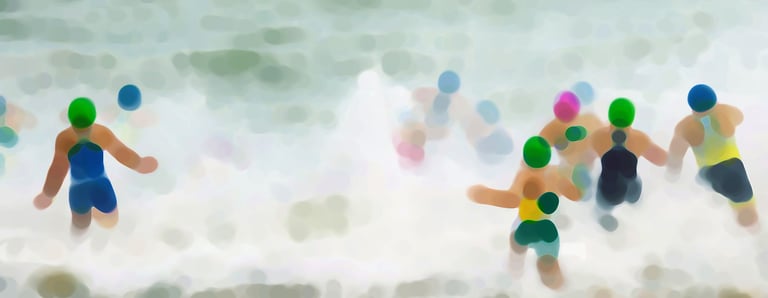
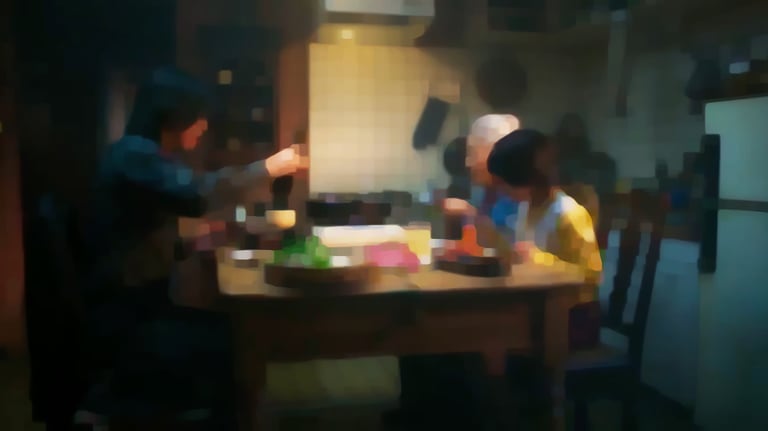
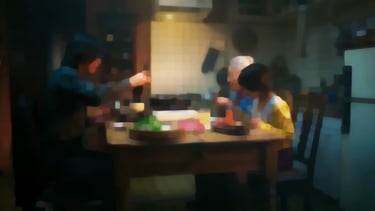
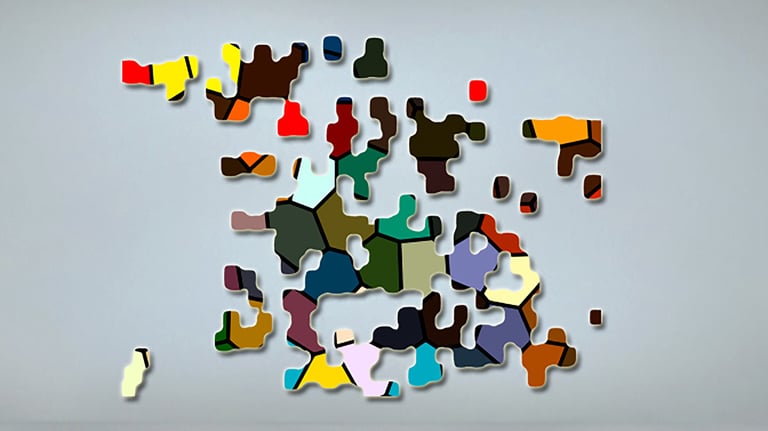
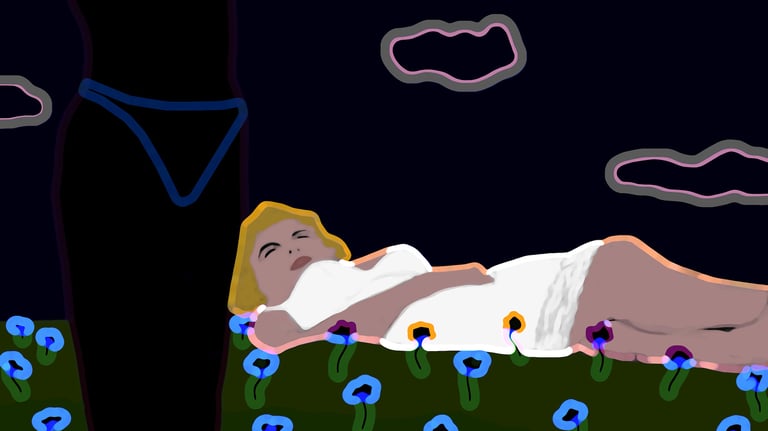
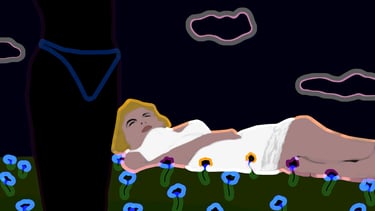
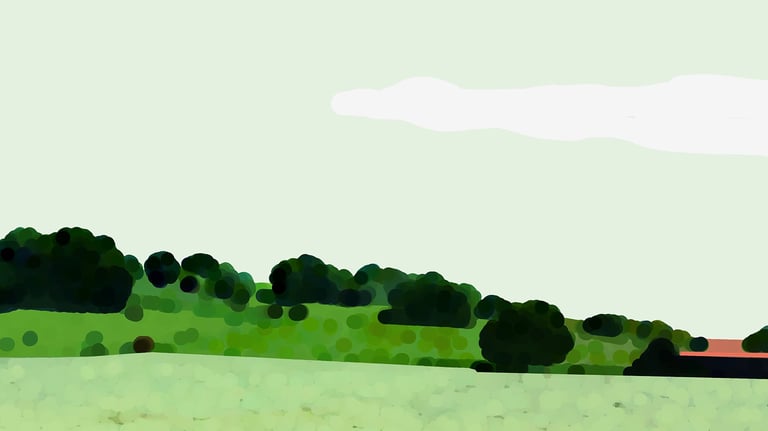
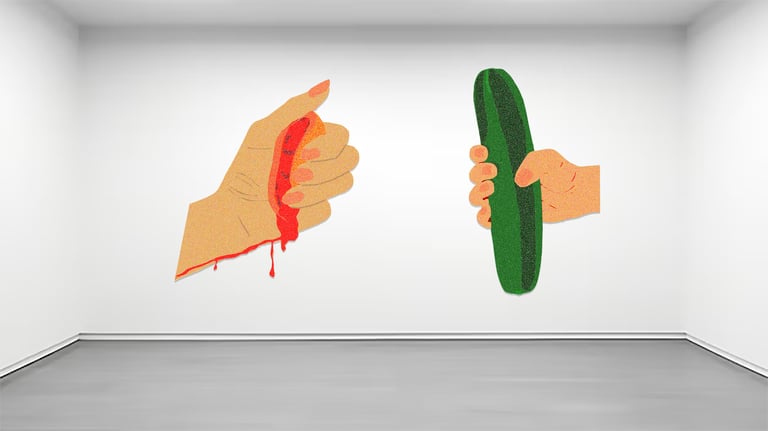
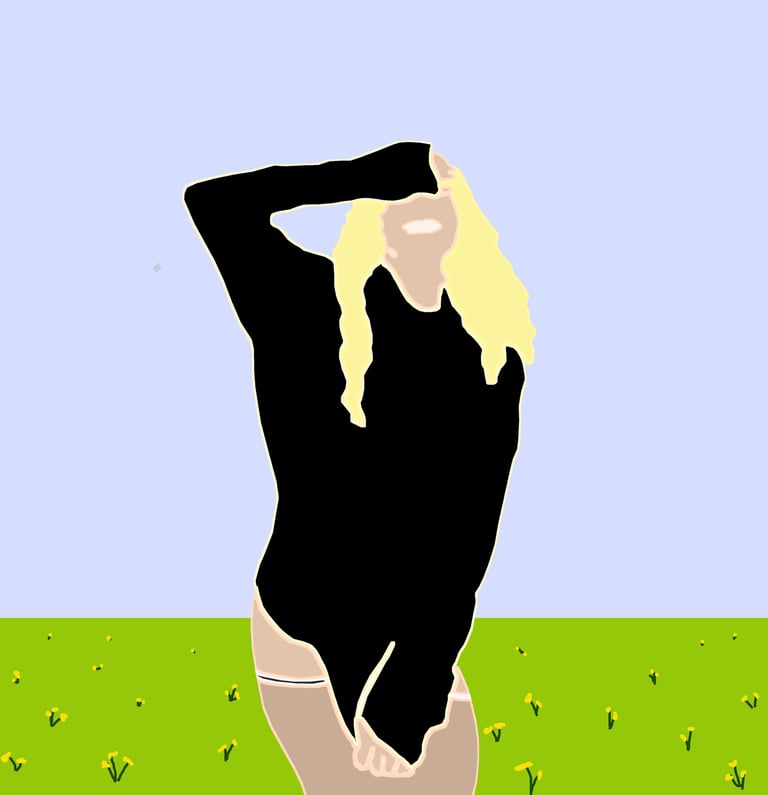
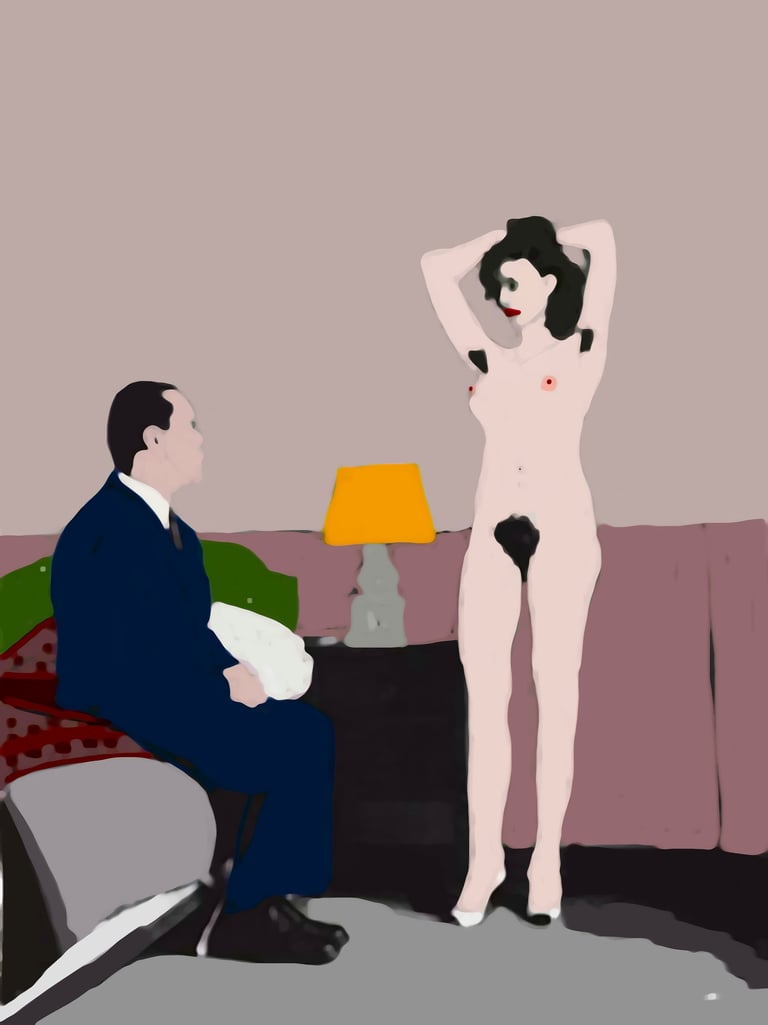
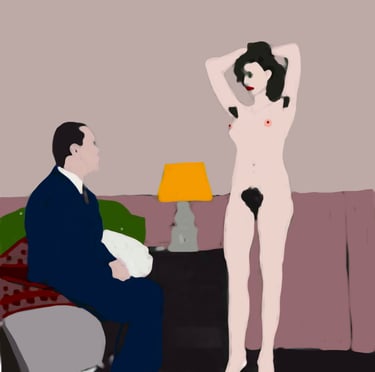
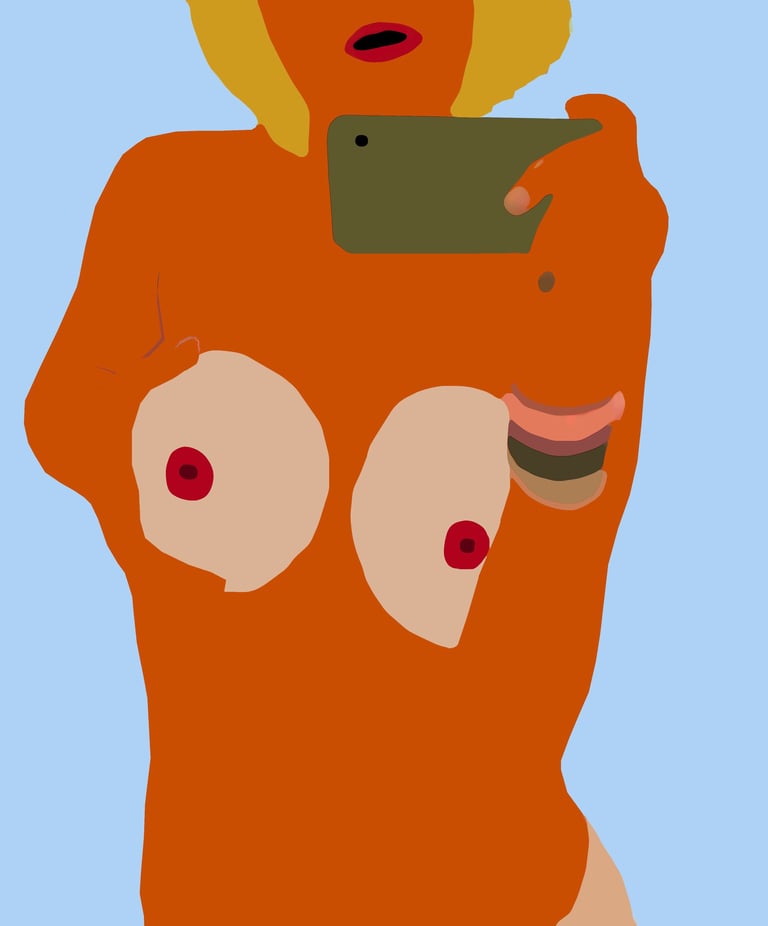
Furio Torracchi works across photography, painting, sculpture, and digital media, with a practice centred on the transformation of the photographic image. Rather than treating photography as documentary record, he subjects it to digital manipulation, painterly intervention, and formal fragmentation — producing work that moves between representation and abstraction, between the familiar and the dissolved.
His series — among them Private Sphere, What Remains of Our Memories, the beach and seascape photography, and Between Graphic Realism & Pop Art — share a consistent conceptual thread: the relationship between vision and memory, between perception and emotion.
Art critic Claudio Melo writes:
"What strikes the viewer from the outset is the hybrid approach to artistic languages, in which digital photographs, electronic manipulations, and pictorial strategies interact with one another. This plurality is never an end in itself, but rather reflects a critical investigation of the limits and possibilities of the image in the contemporary world. Torracchi does not consider photography solely as a realistic document, but as visual material to be transformed, decontextualised, and reinterpreted — the photographic medium becomes a bridge between reality and interpretation, between memory and invention."